Piles
Piles (मूळव्याध): Symptoms, Causes and When to See a Doctor

Quick answer
Piles (मूळव्याध) are swollen veins in the back passage. Learn the common symptoms, what causes them, what you can do at home, and which signs mean you should see a doctor.
Table of contents (8 sections)
- What exactly are piles?
- Common symptoms of piles
- The four grades
- What causes piles?
- Is it piles or something else?
- What you can do at home
- When should you see a doctor?
- Go urgently if
- How are piles treated?
- Frequently asked questions
- Do piles go away on their own?
- Is bleeding from piles dangerous?
- Can women see a female staff member for the check-up?
Piles (मूळव्याध), also called hemorrhoids, are swollen blood vessels in or around the anus. The most common signs are bright red bleeding while passing stool, a soft lump near the anus, itching and discomfort. You should see a doctor if you have any bleeding, pain that does not settle, or a lump, because other conditions can cause the same symptoms.
What exactly are piles?
Everyone has soft cushions of blood vessels in the lower back passage. They help control the passing of stool. When these cushions swell, stretch or slip down, we call them piles. Piles inside the anal canal are called internal piles. Those under the skin around the anus are external piles.
Piles are very common. Many adults will have them at some point in life. Yet many people in our villages and towns suffer for years without telling anyone, because they feel shy. There is no need for shame.
Common symptoms of piles
- Bleeding: Bright red blood on the stool, on toilet paper, or dripping into the toilet after passing stool. It is often not painful.
- A lump: A soft swelling that comes out while passing stool. It may go back on its own or may need to be pushed back.
- Itching and burning: Irritation of the skin around the anus.
- Discomfort or pain: A heavy or full feeling. Sharp pain is more common if a blood clot forms in an external pile.
- Mucus discharge: A slimy discharge that can stain underwear.
- Incomplete emptying: A feeling that the bowel has not fully emptied.
The four grades
Doctors grade internal piles from 1 to 4. In grade 1, piles stay inside. In grade 2, they come out while passing stool and go back on their own. In grade 3, they have to be pushed back. In grade 4, they stay outside. The grade helps the doctor decide whether medicines are enough or a procedure is needed.
What causes piles?
Piles form when there is extra pressure on the veins of the back passage for a long time. Common reasons include:
- Long-standing constipation and hard stools
- Straining in the toilet, or sitting there for a long time
- A low-fibre diet with too little water
- Pregnancy and childbirth
- Heavy lifting, as in farm work or construction
- Sitting for long hours, for example drivers and shopkeepers
- Long-standing diarrhoea
- Being overweight
Very spicy food does not directly cause piles, but it can increase burning and discomfort in someone who already has them.
Is it piles or something else?
This is the most important point. Many different problems cause symptoms near the anus:
- Anal fissure (फिशर): a small tear, with sharp cutting pain while passing stool
- Fistula (भगंदर): a small opening near the anus that leaks pus
- Perianal abscess: a painful pus-filled boil, often with fever
- Other bowel conditions, including, less often, growths in the bowel
Only an examination can tell the difference. Please do not assume that all bleeding is piles.
What you can do at home
For mild piles, these steps often help:
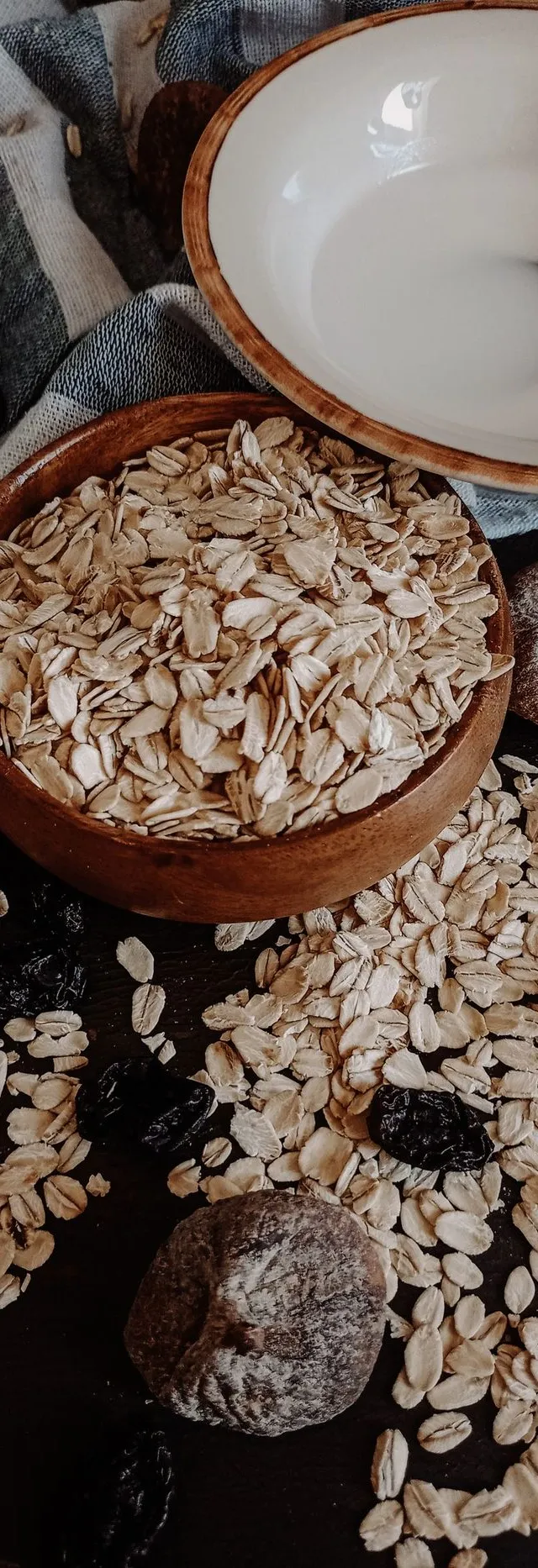
- Eat more fibre: jowar or bajra bhakri, vegetables, dal and fruit
- Drink enough water through the day
- Go to the toilet when you feel the urge, and do not strain
- Do not sit on the toilet for long or use the phone there
- Take a sitz bath: sit in warm water for 10 to 15 minutes
- Walk every day
Avoid using creams or powders from the market without advice. They may give short relief but can hide a problem that needs attention.
When should you see a doctor?
See a doctor if you notice:
- Any bleeding from the back passage, even once
- A lump that does not go back, or keeps coming out
- Pain that is getting worse
- Pus, discharge or a wound near the anus
- Symptoms that do not improve after two to three weeks of home care
Go urgently if
- There is heavy bleeding, or you feel dizzy or weak
- You have fever with severe pain near the anus
- A pile has come out, is very painful, and cannot be pushed back
Also see a doctor soon if you are over 40 and notice a change in bowel habit, weight loss, black stools or tiredness. These signs do not always mean something serious, but they need to be checked.
How are piles treated?
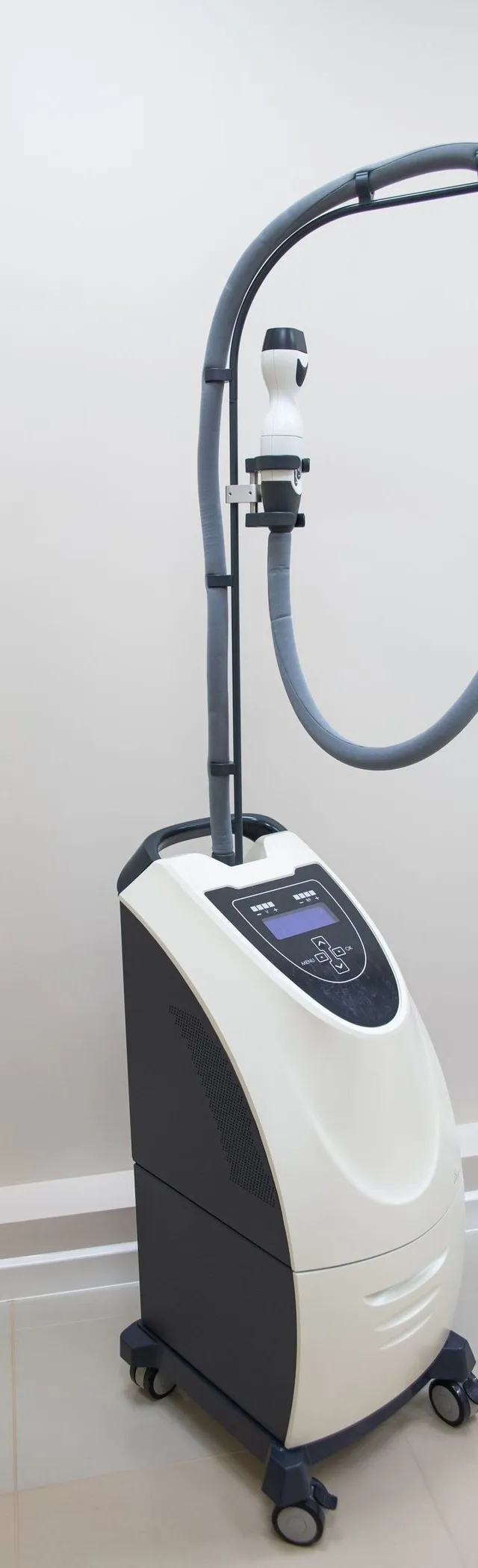
Treatment depends on the grade and your symptoms. Early piles often improve with diet changes, stool softeners and medicines. If piles keep bleeding, come out, or do not respond, the surgeon may advise a procedure. At Trimmurti Hospital, stitch-less laser treatment is one of the options for suitable patients. For many people, laser treatment means less pain and a quicker return to work than open surgery, but results vary. Your surgeon will explain what suits you.
Frequently asked questions
Do piles go away on their own?
Mild piles may settle with diet, water and good toilet habits. But they often return if constipation continues. Piles that bleed a lot or stay outside usually need treatment.
Is bleeding from piles dangerous?
Usually the bleeding is small. But regular bleeding can cause low blood (anaemia), and bleeding can also come from other conditions. Always get it checked.
Can women see a female staff member for the check-up?
Yes. Many hospitals, including Trimmurti Hospital, have female nursing staff who can be present during the examination. Ask when you book.