Fissure
Anal Fissure (फिशर): Why It Hurts and How It Heals

Quick answer
An anal fissure is a small tear, but the pain can be severe. Learn why it hurts so much, how most fissures heal with simple care, and when laser treatment may help.
Table of contents (9 sections)
- What is an anal fissure?
- Why does a fissure hurt so much?
- The pain cycle
- Common signs
- Acute and chronic fissure
- How a fissure heals: the first steps
- When is a procedure needed?
- Could it be something else?
- Preventing a fissure from coming back
- Frequently asked questions
- How long does a fissure take to heal?
- Is a fissure the same as piles?
- Can a fissure come back after healing?
An anal fissure (फिशर / परिकर्तिका) is a small tear in the skin of the anus, usually caused by passing a hard stool. It hurts because the area is full of nerves and the muscle around it goes into painful spasm. Most new fissures heal in a few weeks with fibre, water, sitz baths and prescribed ointment; chronic fissures may need a procedure.
What is an anal fissure?
The lining of the anus is thin and delicate. When a large or hard stool stretches it too much, it can tear. This small cut is a fissure. It can also happen after a bout of loose motions, or after childbirth. Fissures are common in young and middle-aged adults, but they can happen at any age, even in children.
Why does a fissure hurt so much?
Many patients say fissure pain feels like passing broken glass. There are three reasons for this.
- Many nerves: The skin at the anus is very sensitive. Even a small cut causes sharp pain.
- Muscle spasm: The ring of muscle inside the anus, the internal sphincter, tightens because of the pain. This spasm can cause a burning or throbbing ache that lasts for minutes or even hours after the toilet.
- Stretching again and again: Every time you pass stool, the tear is stretched once more.
The pain cycle
Because it hurts, many people hold back stool. The stool then becomes harder and drier. The next visit to the toilet tears the skin again. The tight muscle also reduces blood flow to the area, so the cut heals slowly. Breaking this cycle is the key to healing.
Common signs
- Sharp, cutting pain while passing stool
- Burning pain that continues afterwards
- A small streak of bright red blood on the stool or paper
- Itching or irritation
- A small skin tag near the anus in long-standing fissures
Acute and chronic fissure
An acute fissure is recent, usually less than about six weeks old. The edges are fresh, and most acute fissures heal with simple treatment.
A chronic fissure has lasted longer than about six weeks or keeps coming back. The edges become hard, a skin tag may form, and the muscle stays tight. These are harder to heal with medicines alone.
How a fissure heals: the first steps
The aim is to keep stools soft and relax the muscle, so that blood flow improves and the tear can close.
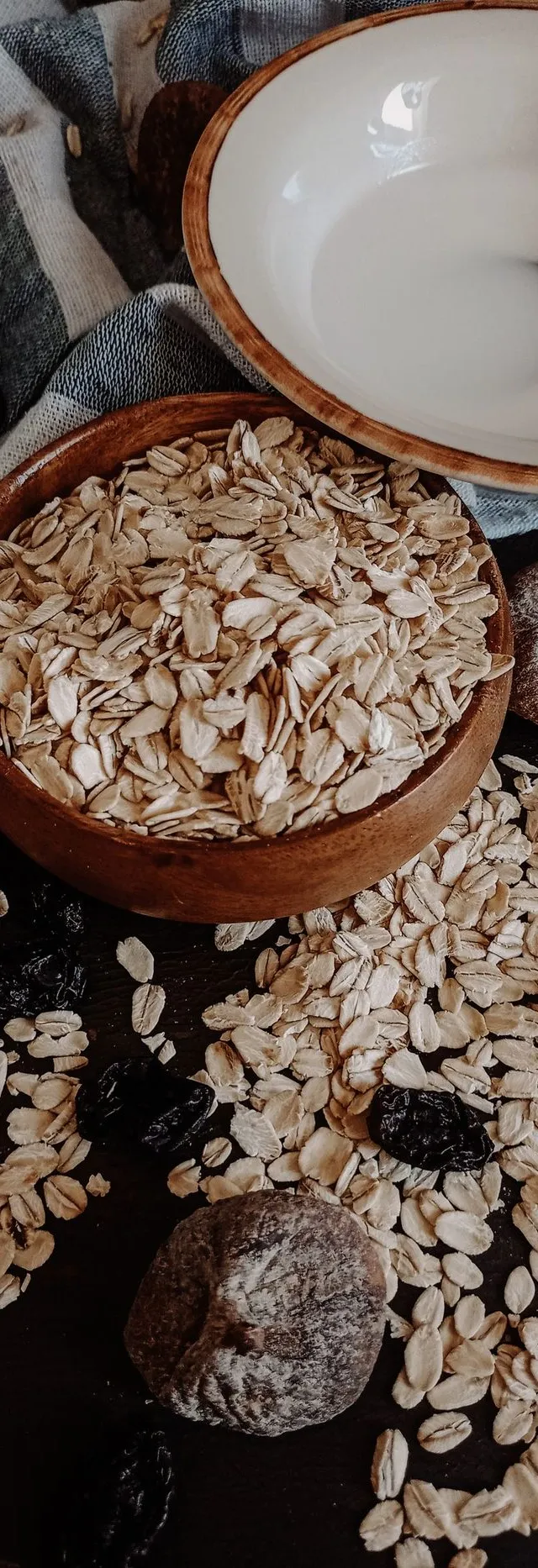
- Eat fibre every day: jowar or bajra bhakri, leafy vegetables, dal, and fruit like guava and papaya.
- Drink water: Sip water through the day. Buttermilk also helps many people.
- Do not hold stool: Go when you feel the urge.
- Sitz bath: Sit in a tub of warm water for 10 to 15 minutes, two or three times a day, especially after passing stool. This relaxes the muscle and eases pain.
- Prescribed ointment: The doctor may prescribe an ointment that relaxes the sphincter muscle and reduces pain. Use it exactly as advised.
- Stool softener: If advised by the doctor.
Avoid buying random creams from the market. Some contain steroids that may thin the skin with long use.
When is a procedure needed?
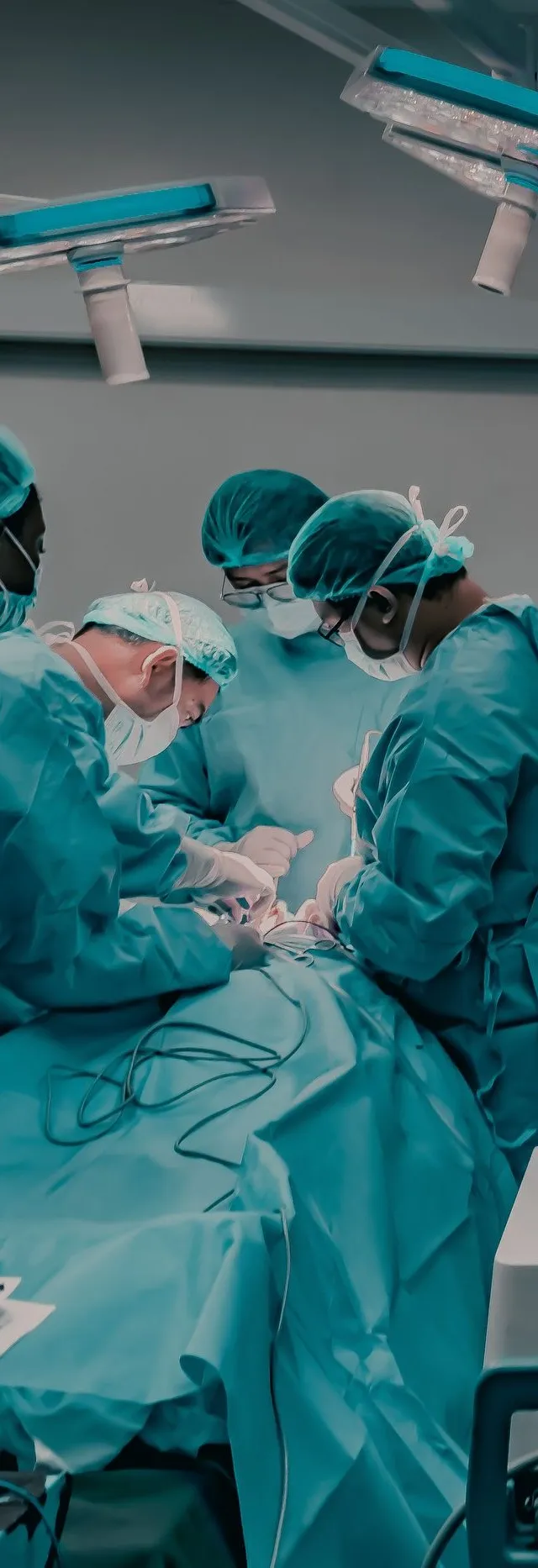
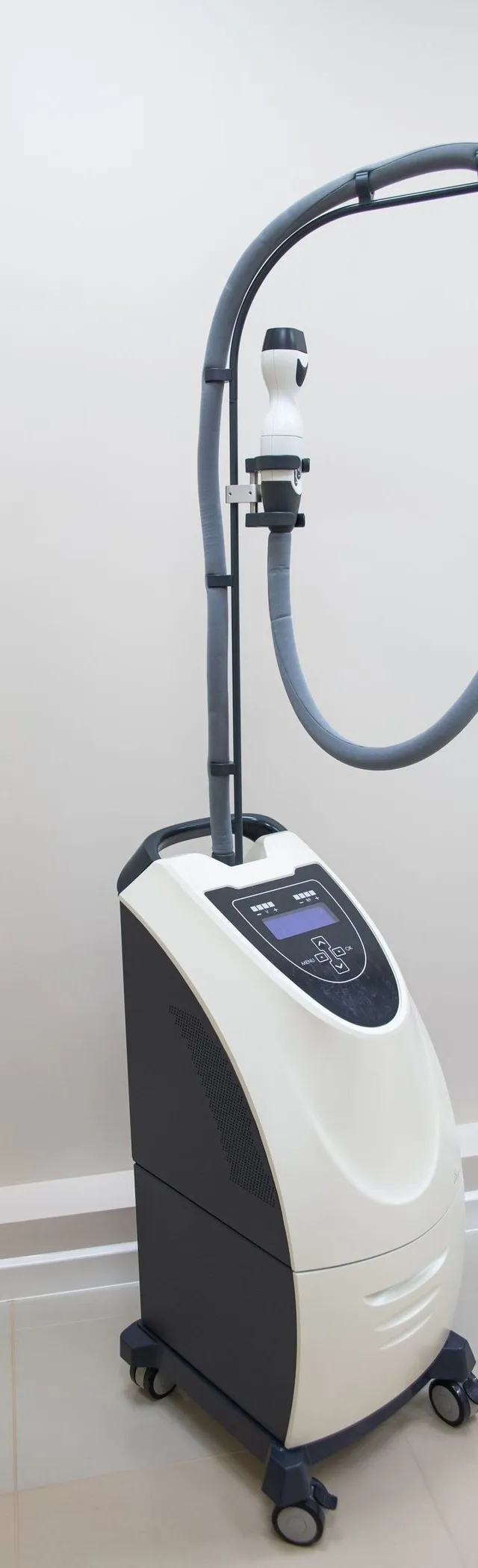
If a chronic fissure does not heal after proper medical treatment, the surgeon may suggest a procedure. One option is laser lateral internal sphincterotomy. In simple words, the surgeon uses a laser to release a small part of the tight internal muscle. This relieves the spasm, improves blood flow and lets the tear heal. A skin tag or hard edge may be removed at the same time.
For many patients, this gives pain relief within days, with minimal bleeding and a quick return to routine. There are some risks with any procedure, including a small risk of reduced control of gas or stool, and results vary. Your surgeon will explain them before you decide.
Could it be something else?
Pain and bleeding at the anus can also come from piles, an abscess, a fistula or other bowel conditions. A fissure that is in an unusual position, or does not heal, may need further tests. That is why an examination by a surgeon is important. At Trimmurti Hospital in Eet, Bhum, female nursing staff are available for women patients during the check-up.
Preventing a fissure from coming back
- Keep eating fibre and drinking water even after healing
- Treat constipation or diarrhoea early
- Do not strain or sit on the toilet for long
- Stay active and walk daily
Frequently asked questions
How long does a fissure take to heal?
Many acute fissures heal within a few weeks with proper care. Chronic fissures take longer and may need a procedure. Healing time differs from person to person.
Is a fissure the same as piles?
No. A fissure is a tear in the skin and usually causes sharp pain. Piles are swollen blood vessels and usually cause bleeding with little pain, and a lump.
Can a fissure come back after healing?
Yes, if hard stools and straining return. Continuing a high-fibre diet, enough water and good toilet habits helps prevent it.