Diet & Lifestyle
Diet for Piles and Constipation: A Maharashtrian Food Guide

Quick answer
What to eat and avoid for piles and constipation, using everyday Maharashtrian food like jowar and bajra bhakri, dal, leafy vegetables and buttermilk.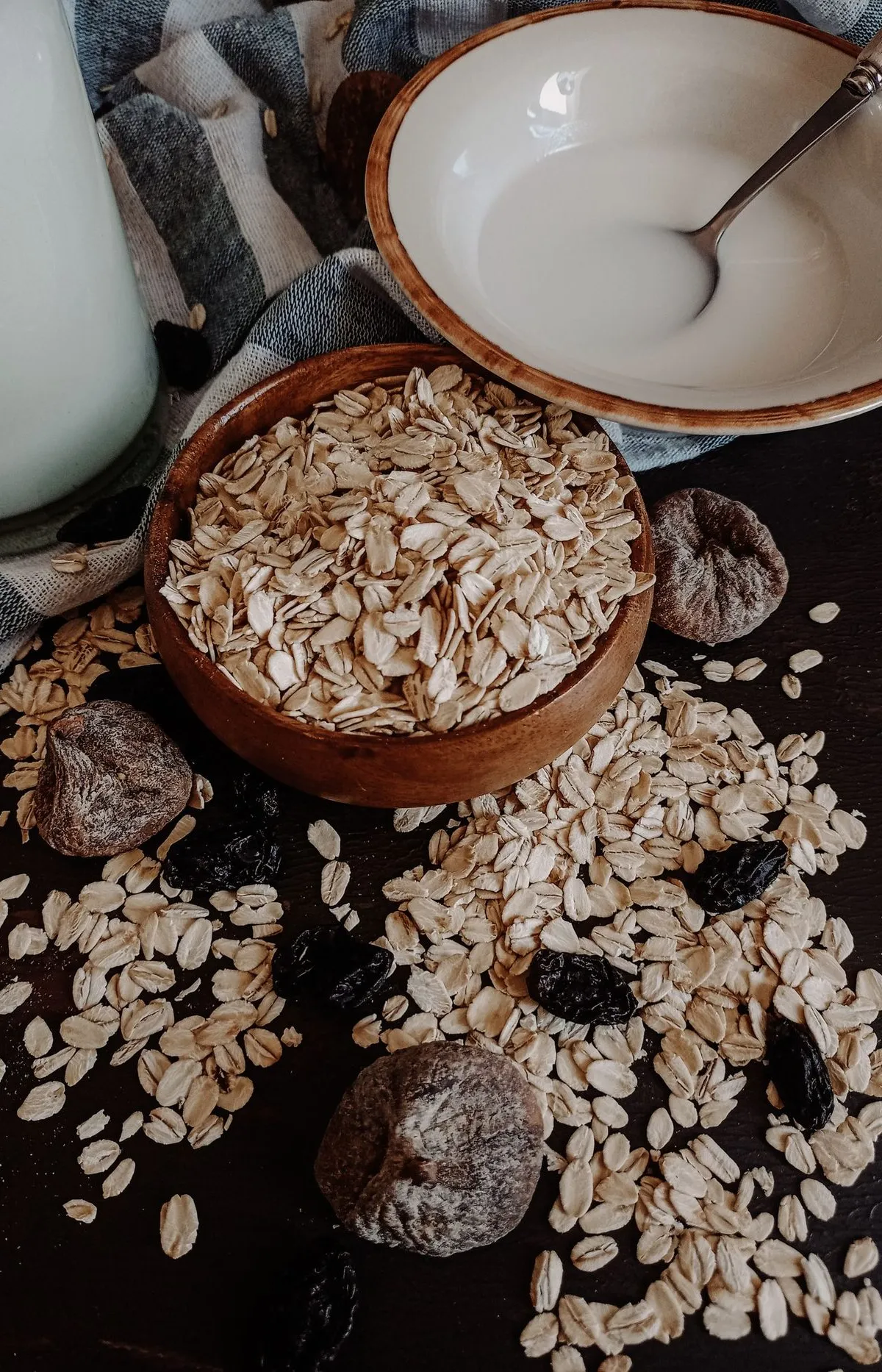
Table of contents (8 sections)
- Why food matters so much
- What is fibre, and how much do you need?
- Foods that help
- Grains
- Pulses and dal
- Vegetables
- Fruit
- Drinks
- Foods to reduce
- A simple day of eating
- Habits matter as much as food
- When diet is not enough
- Frequently asked questions
- Is bajra bhakri bad for piles?
- Should I stop eating chilli completely?
- How much water should I drink?
The best diet for piles and constipation is high in fibre and water: jowar or bajra bhakri, dal, leafy vegetables, seasonal fruit and enough water every day. Reduce maida, very oily and fried food, and too much tea. These simple changes soften stools, reduce straining, and help piles and fissures heal and stay away.
Why food matters so much
Hard stools and straining are among the main reasons for piles (मूळव्याध) and anal fissure (फिशर). When stool is soft and passes easily, there is less pressure on the veins and less chance of a tear. That is why doctors talk about diet before they talk about medicines. Diet is also important after any piles or fissure procedure, to help healing and lower the chance of the problem coming back.
The good news is that traditional Maharashtrian food is already rich in fibre. The problem is that many of us have moved towards maida, bakery items, fried snacks and packaged food. Going back to basics helps.
What is fibre, and how much do you need?
Fibre is the part of plant food that the body does not fully digest. It holds water in the stool and makes it soft and bulky, so it moves easily. Fibre comes from whole grains, pulses, vegetables and fruit. It works only with enough water. If you increase fibre but drink little water, constipation can become worse.
Increase fibre slowly over one to two weeks. A sudden big change can cause gas and bloating at first.
Foods that help
Grains
- Jowar (ज्वारी) bhakri: a good everyday choice, rich in fibre
- Bajra (बाजरी) bhakri: good in winter; eat with enough water and buttermilk
- Nachni (नाचणी): as bhakri, satva or porridge
- Whole wheat chapati instead of maida items
- Poha and upma with vegetables added
Pulses and dal
- Tur, moong, masoor and chana dal
- Usal of matki, moong, chawli or vatana
- Sprouted moong or matki
Vegetables
- Leafy vegetables: methi, palak, shepu, chakvat, ambadi, math
- Dudhi, bhopla, bhendi, gavar, ghevda, carrot and beetroot
- Salad of cucumber, tomato, onion and carrot with meals
Fruit
- Guava (peru), papaya, banana, orange, mosambi
- Seasonal fruits like jamun, sitaphal and chikoo
- Soaked raisins or anjeer (figs) in small amounts
Eat whole fruit rather than juice. Juice loses most of the fibre.
Drinks
- Plain water through the day. Keep a bottle with you in the field or shop.
- Buttermilk (ताक), which many people find soothing
- Kokum sarbat or nimbu pani without too much sugar
Foods to reduce
- Maida items: pav, bakery biscuits, khari, toast and some namkeen
- Very oily and fried food: vada, bhaji and farsan in large amounts
- Very spicy food: it does not cause piles, but it can increase burning if you already have piles or a fissure
- Too much tea: especially many cups on an empty stomach
- Tobacco, gutkha and alcohol
- Packaged and fast food
A simple day of eating
- Morning: one or two glasses of water after waking; tea later, not first thing
- Breakfast: vegetable poha or upma, or nachni satva, with a fruit
- Lunch: jowar bhakri, a leafy vegetable, dal or usal, salad, and buttermilk
- Evening: a guava or banana, or roasted chana, instead of fried farsan
- Dinner: bhakri or chapati with vegetable and dal; eat a little early
This is only an example. People with diabetes, kidney disease or other conditions should follow the diet advised by their own doctor.
Habits matter as much as food
- Go to the toilet when you feel the urge. Do not hold it.
- Do not sit on the toilet for long or use the phone there.
- A small stool under the feet in a western toilet can help, as it gives a squatting position.
- Walk for 20 to 30 minutes every day.
- Eat at regular times.
When diet is not enough
Diet helps a lot, but it cannot fix every problem. See a doctor if you have bleeding, a lump, pain, pus discharge, or constipation that does not improve. Also see a doctor soon if you notice weight loss, black stools, or a change in bowel habit after the age of 40. At Trimmurti Hospital in Eet, Bhum, doctors can examine you and advise whether diet and medicines are enough, or whether other treatment is needed.
Frequently asked questions
Is bajra bhakri bad for piles?
No. Bajra is rich in fibre and is generally good for constipation. Some people feel it is "heating" in summer; if so, eat it with buttermilk and enough water, or choose jowar.
Should I stop eating chilli completely?
You do not have to stop fully. Chilli does not cause piles, but it can increase burning if you have piles or a fissure. Reduce it until you feel better.
How much water should I drink?
Most adults do well with about 8 to 10 glasses a day, more in hot weather or during heavy work. People with heart or kidney problems should ask their doctor.