Laser Treatment
Laser Surgery for Piles: What to Expect Before, During and After

Quick answer
A step-by-step guide to laser treatment for piles: who needs it, how to prepare, what happens during the procedure, and how recovery usually goes.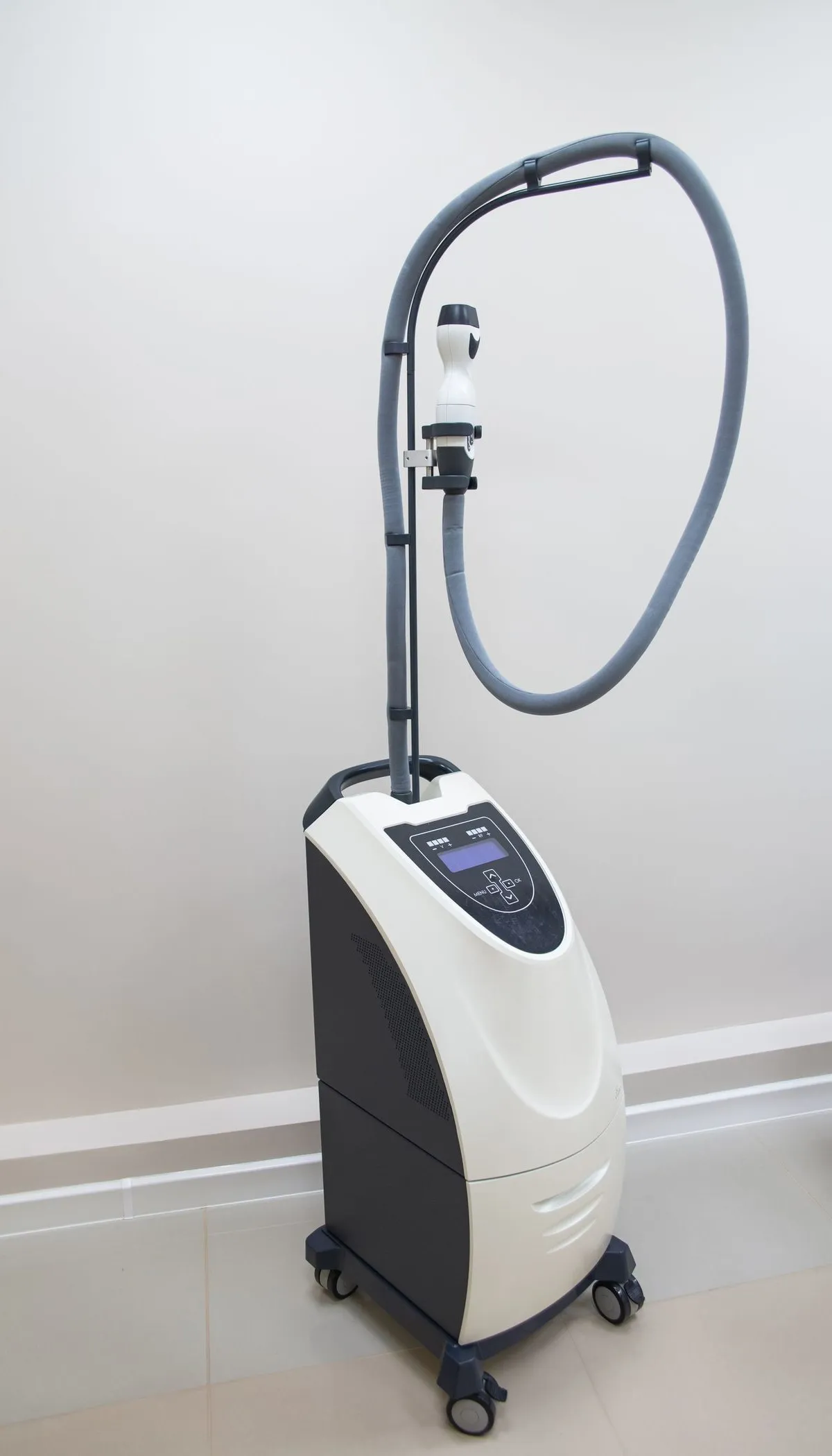
Table of contents (7 sections)
- Who needs laser treatment for piles?
- Before the procedure
- Check-up and tests
- Preparing at home
- During the procedure
- After the procedure
- The first day
- The first week
- Call the hospital if you notice
- What are the benefits and the risks?
- Keeping piles away after treatment
- Frequently asked questions
- Will I feel pain during laser piles treatment?
- How soon can I go back to farm or field work?
- Can piles come back after laser treatment?
Laser treatment for piles uses a thin laser fibre to shrink the swollen pile from inside, usually without cuts or stitches. It is done under anaesthesia and most patients go home the same day or the next day. Many people have less pain and return to their routine in a day or two, though recovery varies from person to person.
Who needs laser treatment for piles?
Not everyone with piles (मूळव्याध) needs surgery. Many people with early piles feel better with fibre, water, sitz baths and medicines. A procedure may be advised when:
- Piles keep bleeding despite medicines
- A lump comes out and has to be pushed back (grade 3)
- A lump stays outside all the time (grade 4)
- Symptoms keep coming back and affect daily life
The surgeon decides after examining you. Laser is one option; for some patients another method may be better.
Before the procedure
Check-up and tests
The surgeon will examine you, usually with a proctoscope, to confirm the diagnosis and grade. You may need routine blood tests, a blood sugar test, and sometimes an ECG, depending on your age and health. Tell the doctor about any illness and all medicines you take, especially blood thinners, diabetes medicines and BP medicines. Some medicines may need to be adjusted or stopped for a few days, but only on the doctor's advice.
Preparing at home
- Follow fasting instructions, usually no food for a few hours before
- Take a bath and wear loose, comfortable clothes
- Bring all reports, your medicine list, Aadhaar card and insurance papers
- Bring one family member to stay with you
If you have health insurance, ask about cashless treatment in advance so the approval can be arranged.
During the procedure
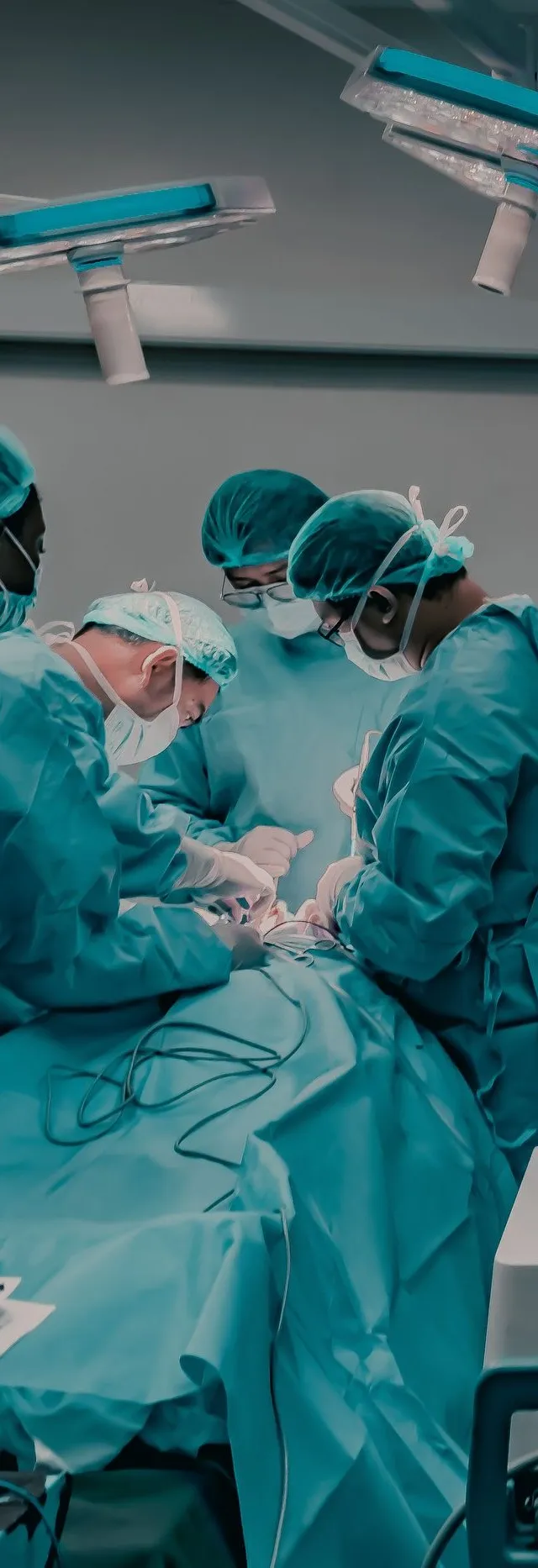
The procedure is done in the operation theatre under anaesthesia, often spinal anaesthesia (the lower body is numbed) or another type the anaesthetist chooses. You will not feel the procedure itself.
In simple words, this is what happens:
- The surgeon gently examines the piles once more
- A very thin laser fibre is placed into the swollen pile through a tiny entry point
- Controlled laser energy is delivered inside the pile
- The heat shrinks the pile from within and seals the blood vessels feeding it
- Over the next few weeks, the pile shrinks further and the tissue settles
The procedure itself usually takes a short time, though total time in the theatre is longer because of preparation and anaesthesia. Because there is usually no large wound, stitches are not needed.
After the procedure
The first day
You will rest in the ward until the anaesthesia wears off. You will be able to drink and then eat. Most patients pass urine normally; tell the nurse if you have difficulty. Many patients go home the same day or the next day.
The first week
- Some soreness, swelling or a feeling of heaviness is normal
- A little spotting of blood during the first few stools can happen
- Take pain medicines and stool softeners as prescribed
- Sit in warm water (sitz bath) two or three times a day
- Eat soft, high-fibre food and drink plenty of water
- Walk around; avoid heavy lifting for the period advised
Most patients return to their daily routine in a day or two, and to heavier work after the time the surgeon advises.
Call the hospital if you notice
- Heavy bleeding or passing clots
- Fever or chills
- Severe pain that is not relieved by medicines
- Inability to pass urine
What are the benefits and the risks?
Compared with conventional open surgery, laser treatment often means less pain, minimal bleeding and faster healing. It is a precise method, so the risk to the sphincter muscle, which controls the bowel, is low. However, no procedure is free of risk. Possible issues include pain, bleeding, swelling, difficulty passing urine for a short time, and the piles coming back in some patients. Results vary, and your surgeon will explain them in detail.
Keeping piles away after treatment
Laser treatment deals with the existing piles, but it does not change the habits that caused them. A high-fibre diet, enough water, not straining, and regular walking help lower the chance of piles returning. At Trimmurti Hospital in Eet, Bhum, patients are given diet and aftercare guidance along with follow-up visits.
Frequently asked questions
Will I feel pain during laser piles treatment?
No, because it is done under anaesthesia. Afterwards some soreness is normal, and it is usually less than after open surgery. Pain medicines help.
How soon can I go back to farm or field work?
Light daily activities usually resume in a day or two. For heavy lifting and hard physical work, follow your surgeon's advice, as it depends on your healing.
Can piles come back after laser treatment?
Yes, they can in some people, especially if constipation continues. Good diet, water and toilet habits reduce the chance.